Learning does not look the same for every child. Some children need more time, more practice, or a different way of being taught. But when a child keeps struggling with reading, writing, math, listening, memory, or school tasks even after steady support, parents may start to wonder if something deeper is going on.
A learning disability does not mean a child is lazy or not smart. It means the brain may process information in a different way. The American Academy of Pediatrics notes that as many as 15% of children may have a learning disabilities, so this is not rare.
This guide explains the common symptoms of learning disorder, how they may look at home and school, and when parents should ask for an evaluation.
A learning disability is a brain-based difficulty that affects how a child receives, understands, remembers, or uses information. It may affect reading, writing, math, speech, attention, organization, or problem-solving.
A child with a learning disability may be bright, curious, and creative but still struggle with certain school skills. For example, one child may speak well but have trouble reading. Another may understand stories but struggle to write full sentences. A third may know math ideas but make many errors when working with numbers.
Learning disabilities often become more noticeable when schoolwork gets harder. Some children show signs in preschool, while others are not identified until elementary or middle school.
The signs of learning disorders can look different from child to child. Some signs are academic, while others show up in behavior, emotions, or daily routines.
Common signs may include:
One sign alone does not always mean a child has a learning disability. The concern grows when the same pattern continues over time and affects school progress, confidence, or daily life.
The symptoms of learning disorder in a child can change with age. Younger children may show early warning signs through speech, memory, or play. Older children may struggle more with reading, writing, math, and organization.
In preschool, parents may notice that a child has trouble learning simple words, rhymes, colors, shapes, or numbers. The child may have delayed speech, trouble following directions, or difficulty naming familiar objects.
Some children also struggle with fine motor skills, such as holding crayons, using scissors, buttoning clothes, or drawing simple shapes.
In elementary school, signs often become clearer. A child may have trouble sounding out words, reading at grade level, spelling, writing sentences, or learning basic math facts.
Parents may hear comments such as “I hate reading,” “I am bad at school,” or “I cannot do this.” These words may come from frustration, not lack of effort.
Older children may hide their struggles. They may avoid reading out loud, turn in incomplete work, forget assignments, or spend hours studying with poor results.
They may also feel anxious, angry, or discouraged because school feels harder for them than it does for their classmates. At this age, emotional signs are just as important as academic signs.
Learning disabilities often affect one main area, but some children struggle in more than one area.
A child may have trouble matching letters with sounds, reading smoothly, spelling words, or understanding what they read. They may avoid books, skip small words, or guess based on pictures.
A child may know what they want to say but struggle to write it down. Writing may be slow, messy, short, or hard to understand. Spelling and grammar may remain weak even after practice.
A child may struggle with number sense, counting, math facts, place value, word problems, or remembering steps. They may understand a lesson one day and forget it the next.
Parents should consider asking for help when school struggles continue for several months, even with extra practice and support. It is also important to act if the child starts avoiding school, losing confidence, or becoming very upset about learning tasks.
A good first step is to talk with the child’s teacher. Ask what patterns they see in class, how your child compares with grade-level skills, and what support has already been tried.
Parents can also speak with the child’s pediatrician or a developmental-behavioral specialist. A proper evaluation can help identify whether the child has a learning disability, ADHD, anxiety, speech-language concerns, vision or hearing problems, or another issue that may affect learning.
Try not to label the child as lazy, careless, or not trying hard enough. Many children with learning disabilities are working very hard, but their effort is not showing in the usual way.
Parents should also avoid waiting too long. Early support can protect a child’s confidence and help them build better learning habits.
Instead, focus on calm observation. Write down what you notice. Save schoolwork samples. Track where your child struggles and where they do well. These details can help during an evaluation.
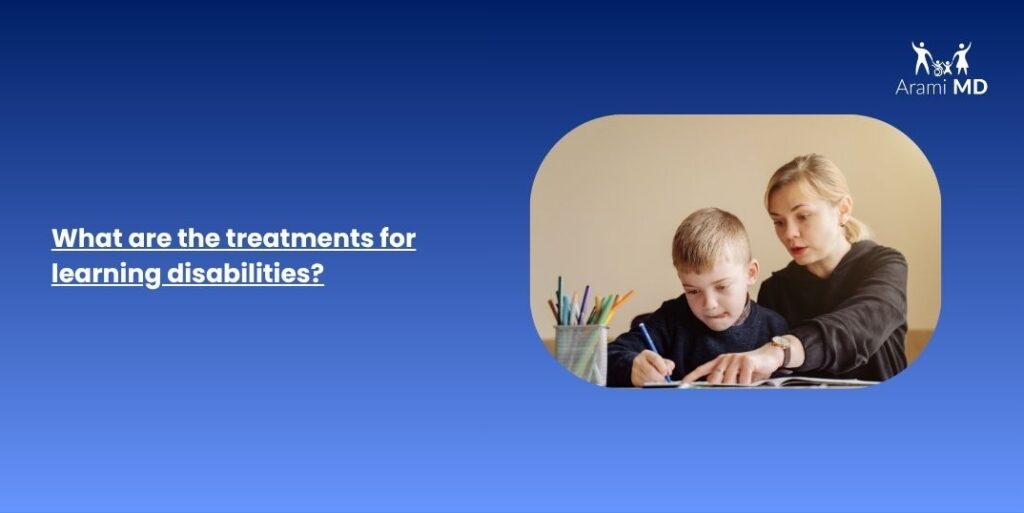
Children with learning disabilities can do well when they receive the right help. Support may include targeted reading instruction, writing support, math intervention, speech-language therapy, classroom accommodations, extra time, or changes in how lessons are taught.
At home, parents can help by keeping routines simple, breaking work into smaller steps, praising effort, and giving the child time to practice without shame.
The goal is not to “fix” the child. The goal is to understand how the child learns best and give them tools that match their needs.
The most important thing parents can do is notice patterns early. If your child keeps struggling with reading, writing, math, memory, or school confidence, the symptoms of learning disorder should not be ignored.
With the right evaluation and support, children can understand their strengths, get help for their challenges, and feel more confident in school and daily life.
If your child is showing possible signs of learning disorders, visit Arami MD to learn more about developmental and behavioral pediatric care.
Early guidance can help your child feel understood, supported, and ready to move forward.
Yes. A learning disability does not measure intelligence. Many children with learning disabilities are bright and capable, but they need different support to show what they know.
No. ADHD and learning disabilities are different, but they can happen together. ADHD affects attention, impulse control, and activity level. A learning disability affects specific skills like reading, writing, or math.
Learning disabilities usually do not simply disappear, but children can improve with the right support. Early help can make school easier and reduce stress.
Start by talking with your child’s teacher and pediatrician. Ask about testing, school support, and whether a full developmental or educational evaluation may be helpful.